Why the account takes longer than the licence
Company law gives the market regulator a short clock and enforces it. Bank onboarding has no such clock. It is a commercial decision made by a compliance department, and since 2020 that department has applied enhanced due diligence to any company with a foreign shareholder.
The result is an asymmetry that surprises every founder: the business licence — a government approval — arrives in 2–4 working days in Suzhou. The bank account — a commercial service — takes two to six weeks. Founders plan around the government step and are caught by the commercial one.
WFOEDesk coordinates the corporate account as part of the $1,290 formation: bank shortlist, document pack, KYC pre-check and the appointment. Attendance at the branch with an English-speaking coordinator is $290 and optional, though we recommend it for a first entity.
There is no shortcut and no relationship that removes the wait. What a coordinator removes is the self-inflicted delay: the wrong branch, the wrong document set, an improvised description of the business, or a legal representative who arrives unprepared for an interview about the source of funds.
Two accounts, not one
A foreign-owned company in Suzhou normally opens two accounts, and confusing them delays both.
| Account | Currency | Purpose |
|---|---|---|
| Basic deposit account (基本户) | RMB | Day-to-day operations, salaries, tax payments, fapiao settlement. One per company. |
| Foreign-currency capital account | USD, EUR, HKD | Registered capital contributions from abroad, converted under SAFE rules. |
| General deposit account | RMB | Optional, for a second bank or a project-specific ledger. |
The basic account is the one that matters first: without it you cannot pay salaries, file tax electronically or receive RMB from customers. The capital account is how the shareholder funds the company — and the sequence matters, because capital must arrive as a capital contribution, not as a loan from a director.
That sequence is where we see the most expensive mistake in the whole setup. A director who wires $50,000 to “get the company started” before the capital account exists creates a liability that has to be documented, taxed or reversed. The money is not lost, but the fix involves an explanation to the tax bureau and sometimes an audit.
Which banks in Suzhou actually open FIE accounts
The banks that handle foreign-owned companies in Suzhou are Bank of China, ICBC and Bank of Suzhou. The list is shorter than the list of banks in the city, and it changes with appetite rather than with policy — a branch that opened ten accounts last quarter may decline the eleventh for reasons it will not explain.
Suzhou branches understand manufacturing and will ask for customs and export documentation instead of a business plan.
The choice is not about prestige. A large international bank may be slower for a small foreign-owned trading company than a local branch that sees three of them a week. We match the bank to the structure, not to the logo, and we tell you which branch has been accepting what over the last quarter.
What we do not do is apply to five banks at once. Multiple simultaneous applications are visible to the banks and read as a red flag, and a refusal leaves a record that makes the next application harder.
A note on the legal representative
Most branches require the legal representative to attend in person at least once, for biometrics. If that person cannot travel, say so before the company is registered, because the structure can be arranged around it — a different legal representative, or a bank that accepts remote verification for specific structures. Discovering it after the licence is issued is expensive.
What the branch is actually checking
Foreign founders assume the bank is checking the company. Mostly it is checking the people and the story.
- Beneficial ownership. Who ultimately owns the company, documented up to natural persons.
- Source of funds. Where the capital comes from, with a paper trail — a sale, savings, a parent company's accounts.
- Business substance. A scope, a lease, a website, a contract, a supplier. Something that shows the company will actually trade.
- Sanctions and PEP screening. Automated, and a hit is not necessarily fatal but must be explained.
- Consistency. The address on the licence, the lease, the website and the answer you give in the interview must be the same.
Most refusals we see are consistency failures rather than suspicious ones. A company registered for consulting that describes itself as a trading business in the interview raises a question nobody wants to answer at a branch counter.
The documents, in the order they ask for them
- Business licence, original and copy.
- Articles of association, stamped.
- All four chops, brought to the branch.
- Legal representative's passport, and the authorised signatory's passport with a power of attorney if different.
- Registered address lease and property certificate.
- Shareholder documents: certificate of incorporation for a corporate shareholder, legalised.
- Business description, one page, matching the scope.
- Supporting commercial evidence: a contract, an invoice, a supplier agreement, a website.
Branches differ on items seven and eight, which is why we send the pack ahead and confirm the list rather than arriving with a folder and hoping. In Suzhou the branch that handles most foreign filings will also ask for the tax registration receipt, because an account without a tax record cannot be used to pay tax.
The interview, and the four questions that decide it
The KYC interview is short, and for a prepared founder unremarkable. It comes down to four questions: what does the company do, who are its customers, where does the money come from, and why Suzhou.
Answer them in the same words you used in the filing. Do not improvise a new business model in the room. If you do not speak Mandarin, take the coordinator — an interpreter who understands the file is worth more than a fluent friend who does not.
The fourth question is the one founders fumble. “Why Suzhou” is not small talk; it is a substance test. A good answer names a supplier, a customer, a port, a university or a cluster. Suzhou's advantage is supplier density: most contract manufacturers sit within an hour, which changes how you cost a first production run.
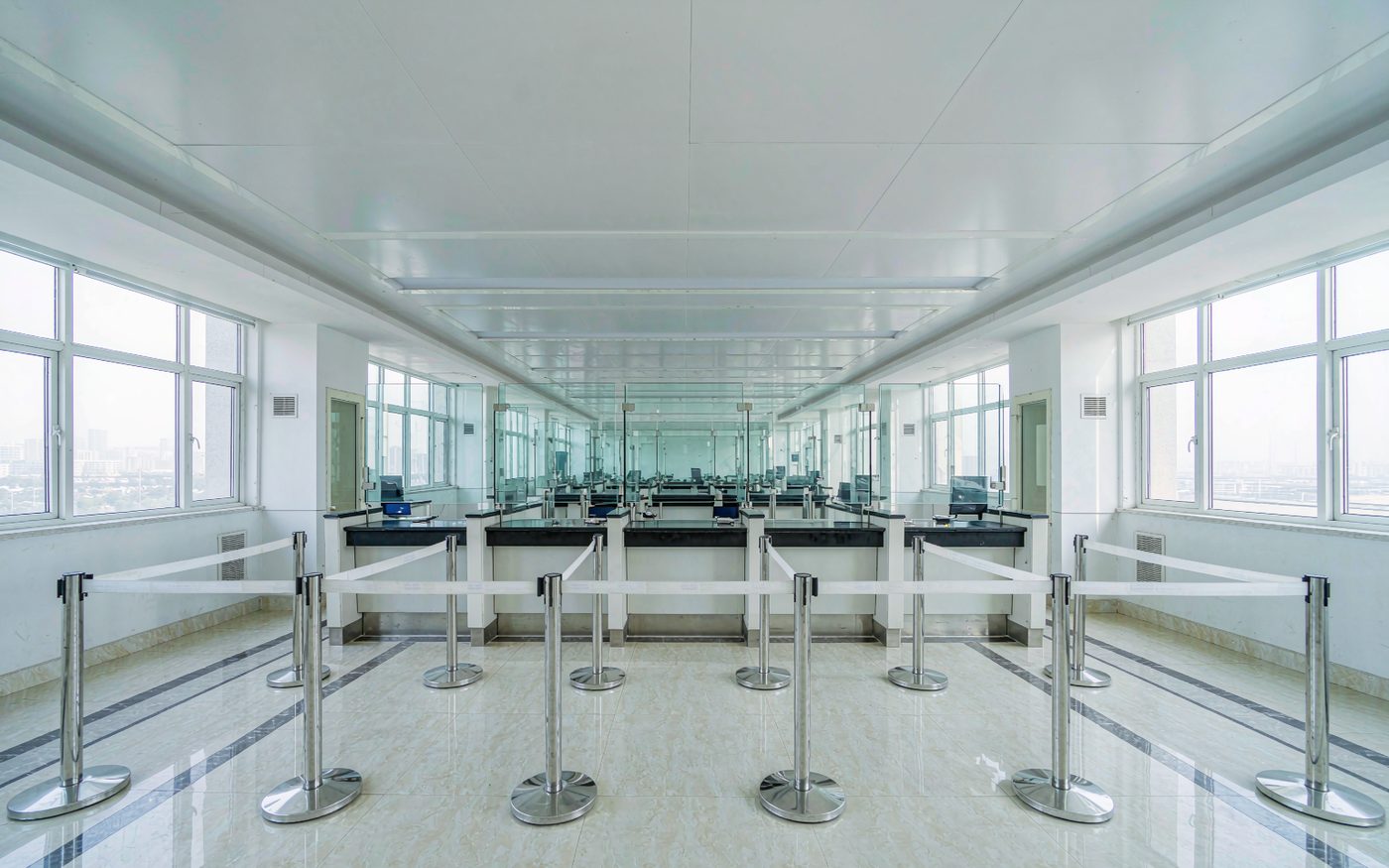
Timeline, realistically
| Week | What happens |
|---|---|
| Week 1 | Pre-check, bank shortlist, document pack assembled |
| Week 2 | Appointment booked — often a two-week wait for a slot at a busy branch |
| Week 3 | Interview, submission, capital account application |
| Weeks 4–6 | Compliance review, account activated, SAFE registration of the capital account |
Plan for six weeks and be pleased at four. Do not plan for three days and build a payroll run on it.
Banking in Suzhou
We pre-check your structure before you pay, not after the bank says no
A refused application leaves a record that makes the next one harder. So we screen your ownership, scope and business model against what Suzhou branches have actually been accepting this quarter.
- Branch shortlist based on current appetite
- Document pack assembled to that branch's own checklist
- We sit in the KYC interview with you, in English
If the bank says no
It happens, and the honest answer is that nobody can guarantee otherwise. What matters is what happens next.
First, we ask for the reason in writing. It is usually specific: a missing source-of-funds document, an ownership layer the branch cannot verify, a business model outside its risk appetite. Second, we fix what is fixable — a document, an explanation, sometimes a different bank. Third, if the structure itself is the problem, we say so and discuss whether a different entity or a Hong Kong, China holding company would clear it.
A refusal is not the end of the company. It is a delay, and the cost of the delay is measured in the payroll you cannot run and the customer you cannot invoice. That is why the pre-check happens before you pay, not after the branch says no.
Capital account and SAFE registration
The capital account is opened with the basic account but registered separately with the State Administration of Foreign Exchange. Until that registration exists, foreign capital cannot be converted into RMB for general use, and a wire will sit in the account unusable.
The registration needs the licence, the articles, the capital contribution schedule and the bank's own forms. It takes one to two weeks in Suzhou after the account is open, and we file it as part of the coordination rather than leaving it to the bank's queue.
The amount matters too. Registered capital is a promise, and under the 2024 Company Law the contribution period must be stated in the articles and is generally capped at five years. Promising more than you intend to wire creates an obligation that the registry can enforce.
Who needs the coordinator, and who does not
If the legal representative is in Suzhou, speaks Mandarin or has a bilingual finance person on the ground, the $290 attendance is optional. The pack and the pre-check are inside the formation fee either way.
If the legal representative is flying in for two days and does not speak Chinese, take the coordinator. The alternative is a rescheduled appointment, and the next slot at a busy branch is often three weeks away — which is a $290 saving that costs a month.
For the wider sequence — licence, chops, tax, fapiao and then the bank — see the registration page. For what happens to the account once it is live, see accounting in Suzhou.
Frequently asked questions
Short answers, then the detail. Every answer reflects how we file in 2026.